

Sorry, satellite images are currently unavailable. Please check back shortly.
Satellite Images Description
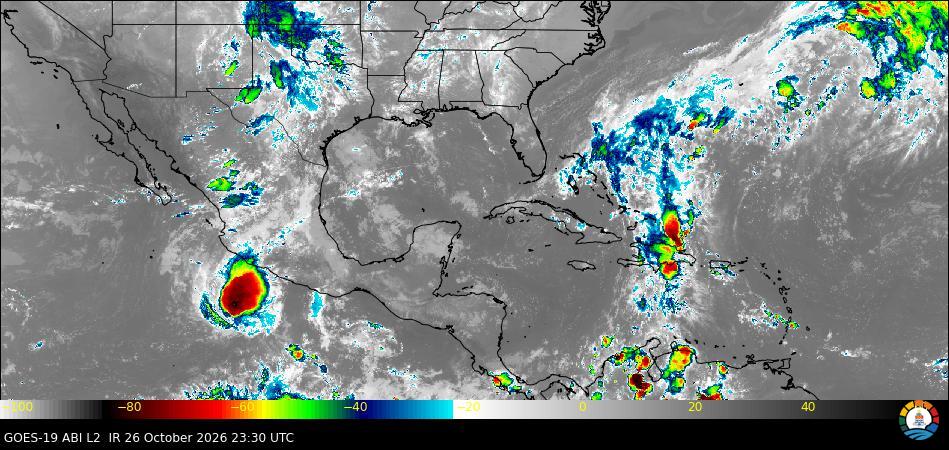
Infrared - IR Imagery detects thermal radiation emitted by objects rather than using visible light, measuring the temperature differences in the atmosphere and surface, giving us the cloud top temperatures and thus allowing easy visualisation of which clouds are roughly at which heights. This can be used during the day and night time.
Visible - Visible imagery is used during the daytime to show sunlight reflected views of the Earth, capturing the features in real-time. It provides a natural-colour view for what the human eye would see helping us observe cloud patterns, storms and surface features.
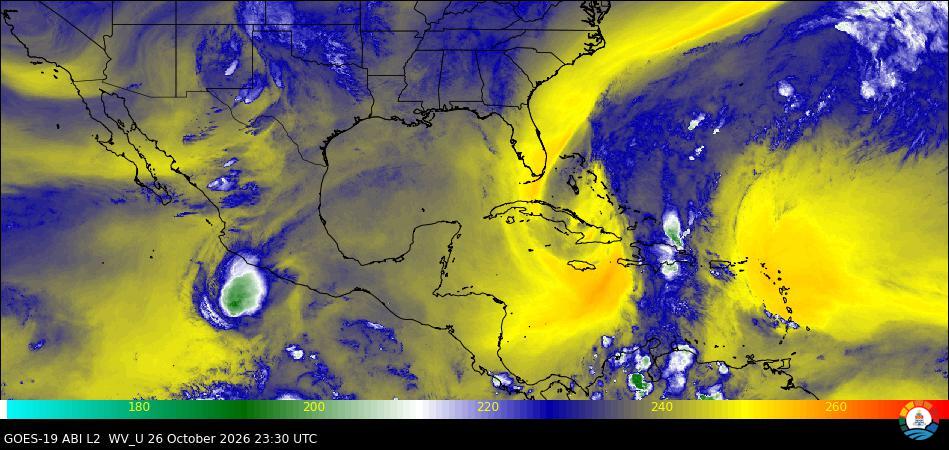
Water Vapour - WV imagery uses a specific infrared sensor to capture the moisture content in the atmosphere, showing us how dry or moist a given layer is. This product is key in identifying jet streams, troughs and other upper-level phenomena.
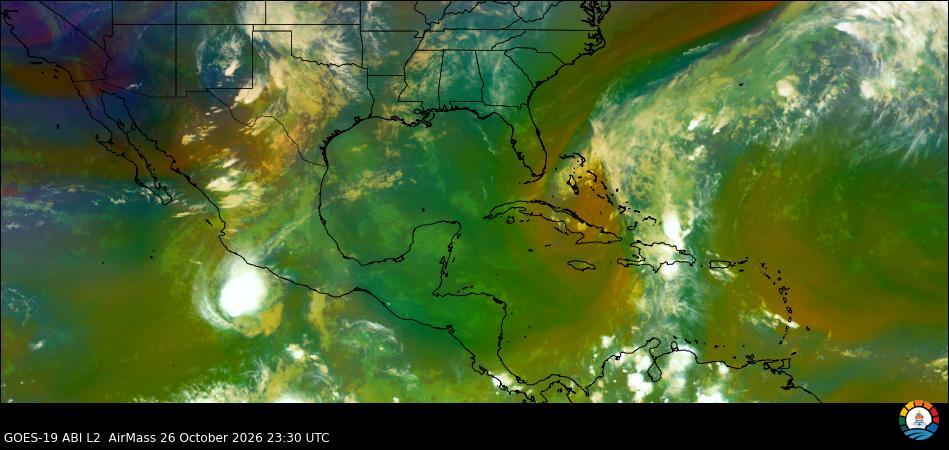
Airmass RGB - Airmass RGB is used to diagnose the environment surrounding synoptic systems by enhancing temperature and moisture characteristics of airmasses. This product is used to distinguish the different airmasses, showing warm and moist airmasses as green, warm and drier airmasses as orange and colder airmasses noted as a darker blue/purple.
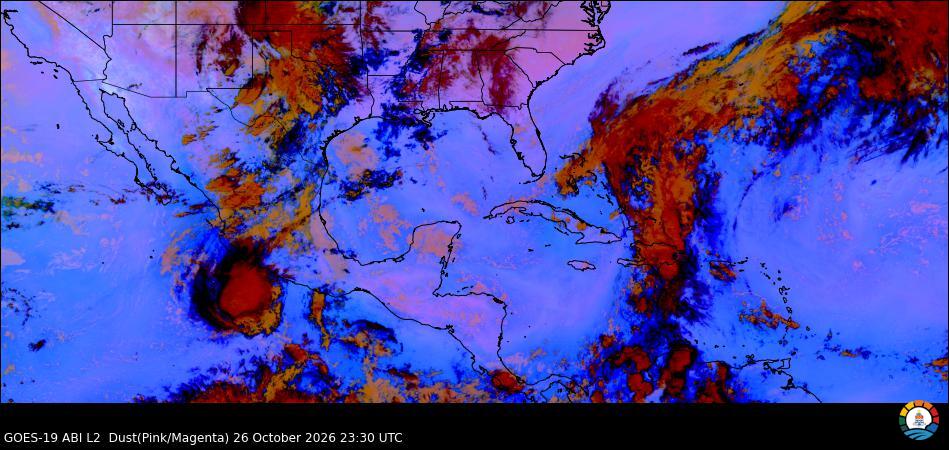
Dust - Dust is hard to generally see in the visible and infrared spectrums due to it being optically thin or becomes obscured by other higher-level clouds. This product is used to contrast airborne dust from clouds using band differencing and the IR thermal channel, allowing this to be visible during day and night hours.